




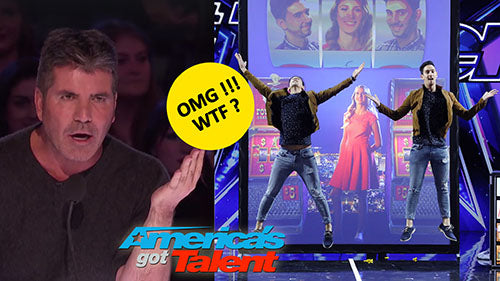
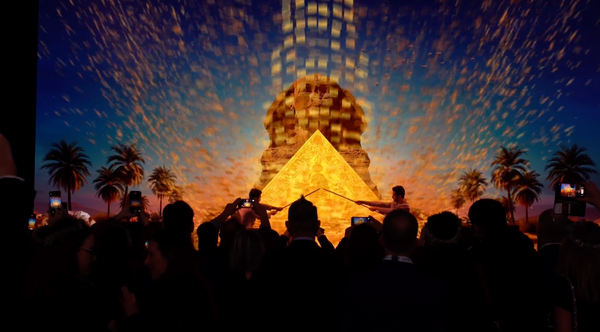
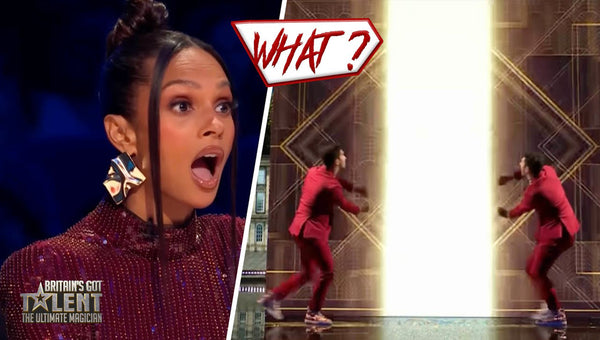
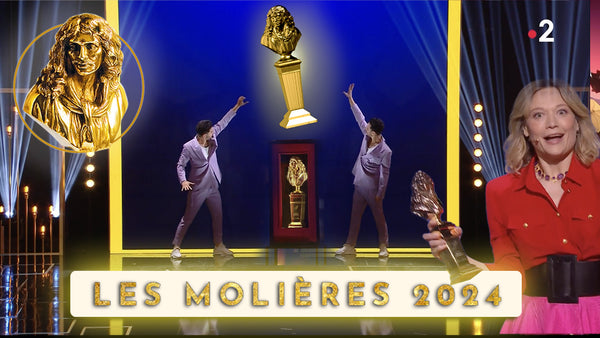






Augmented reality show for event: virtual invades the stage

Augmented reality show for events: virtual invades the stage — in premium events, every detail counts. Here's how the best organizers approach this question and the formats that really work.
What magic brings to your event
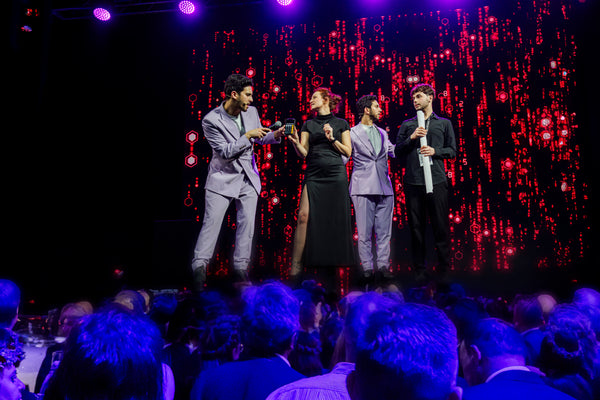
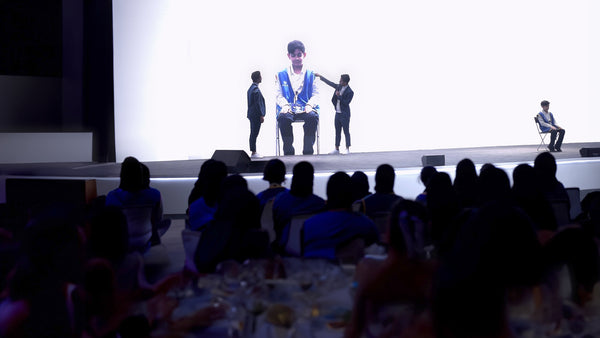
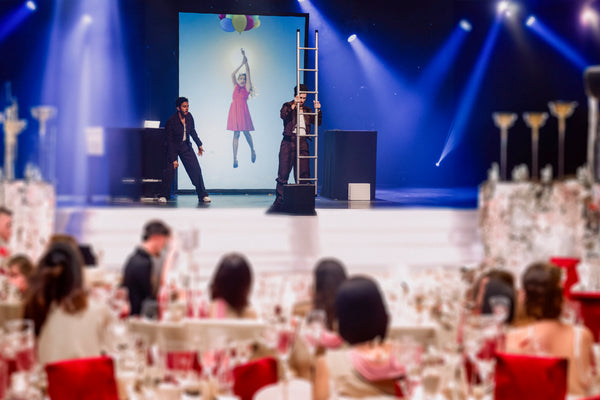
The stage show brings together all the guests for a collective moment of 20 to 45 minutes. It is the unifying format par excellence — the one that creates a shared memory and offers a strong visual impact. Grand illusions, audience participation, integration of technologies (holograms, AI, interactive screens) — the stage show is a complete spectacle.
The advantage in events: it structures the evening. After dinner, the show creates an emotional climax that marks the memory of all the guests simultaneously. It’s also the most “brandable” format — the show can incorporate the company message, brand colors, and even the product into the tricks. For large gatherings of 200+ people, this is often the most impactful format.
Mentalism: the intellectual dimension of magic
Mentalism is the art of creating the illusion of mind reading, prediction and psychological influence. This is the most intellectually impressive format — it leaves spectators with the unsettling sensation that the magician has actually accessed their thoughts.
In events, mentalism works particularly well with corporate, finance and tech audiences — analytical and rational profiles that classic card tricks impress less. A mentalist who predicts the year's turnover, who guesses a director's secret project, or who anticipates the choices of an entire room creates an impact that other magic formats cannot reproduce.
Tony and Jordan: the reference in event magic
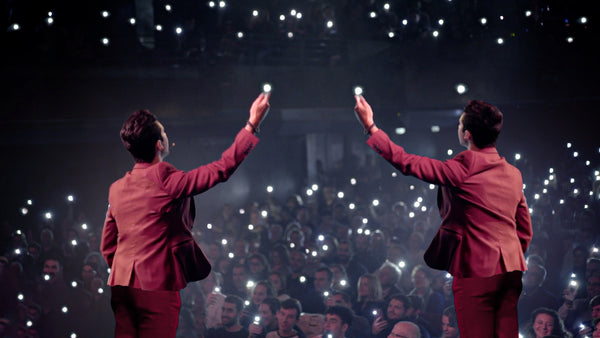
Tony and Jordan don't just perform — they turn every event into a moment that's talked about long after. Pioneers of Digital Illusionism, they have made the fusion of magic and technology their trademark. Understand the context, create to measure, exceed expectations.
Frequently asked questions
Should a technical installation be planned?
For the close-up: nothing at all. For the stage show: a basic sound system and lighting are sufficient. The magician brings all his specific equipment and coordinates with your manager.
Does the magician manage his own logistics?
A professional manages everything: equipment, early arrival, coordination with other service providers. It adapts to unforeseen events and coordinates with your manager for perfect integration.