










Magic on Television vs. Live Performance: What's the Difference

Magic on Television vs. Live Performance: What's the Difference. A legitimate question many event organizers ask. Each entertainment format has its strengths, and the choice depends on your context, your audience, and the atmosphere you're looking for.
What Magic Brings to Your Event
Magic is often compared to other entertainment options: DJs, live bands, comedians, dancers, acrobats. Each format has merit, but magic occupies a unique position. Unlike music, magic doesn't require shared taste in audio styles. Unlike comedy, it doesn't depend on the audience being in the mood to laugh. Unlike acrobatics, it works in any venue without special rigging or equipment. Magic complements other entertainment formats: a DJ provides music, a magician provides wonder. Together, they create a more complete event experience than either alone. Many highly successful events blend multiple entertainment formats, with magic as the unique element that creates conversation and connection.
The comparison often comes down to what you want your guests to experience. Traditional entertainment is about the performer's skill being displayed. Magic is about the audience's experience of impossibility. That difference creates a fundamentally different psychological response. Rather than watching someone do something skilled, you experience something that shouldn't be possible. That distinction is why magic creates the most lasting memories and the most powerful word-of-mouth recommendations. The choice isn't whether magic is objectively better than other entertainment, it's whether the unique experience magic creates aligns with your event goals.
Mentalism: The Intellectual Dimension of Magic
Mentalism is the magic of the mind: reading thoughts, predicting choices, revealing secrets. This format appeals to analytical audiences and creates a different kind of amazement than physical illusion. Instead of wondering how something was done physically, audiences wonder how their private thoughts were accessed. The psychological component engages a deeper level of cognition. Mentalism works powerfully in corporate settings, where the intellectual puzzle appeals to business minds. It works equally well in intimate settings, where the personal connection of having one's thoughts revealed creates emotional resonance.
A mentalism performance is a conversation between performer and audience. The audience participates mentally, actively trying to understand the impossible. This engagement creates memory and impact beyond passive observation. Corporate mentalism is sophisticated, respecting the intelligence of the audience while maintaining complete mystery. Predictions become especially powerful in business contexts, where they can align with company goals or future aspirations. Your event becomes one participants discuss for months, not just for what happened, but for the way their own minds became part of the magic.
Les French Twins: Creators of Digital Illusionism
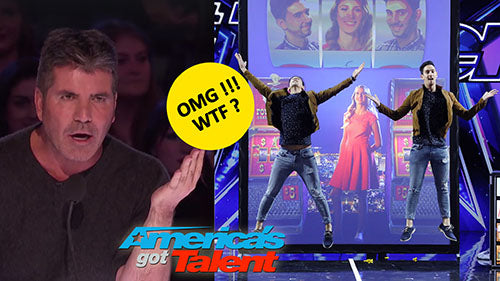
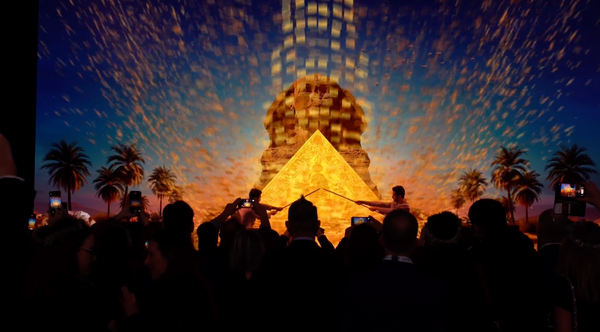
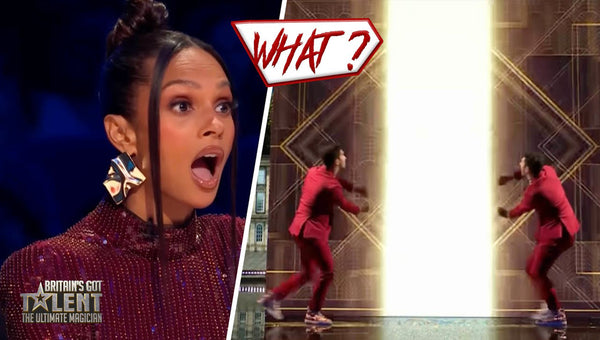
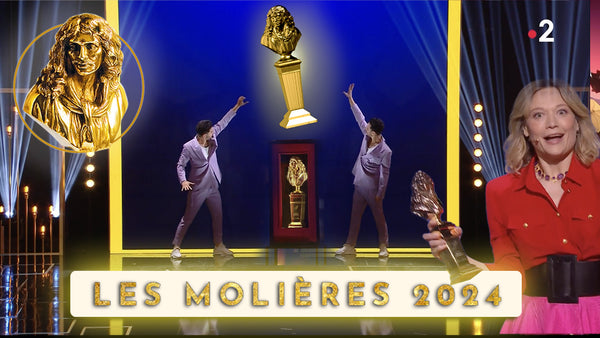
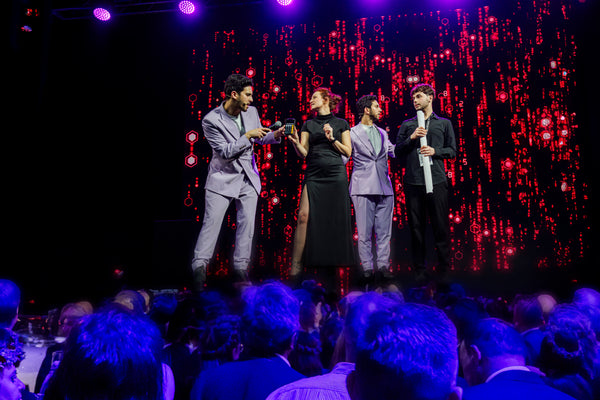
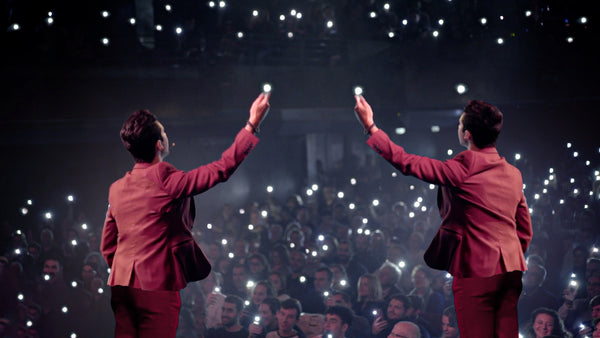
Behind the name Les French Twins are Tony and Jordan, twin brothers who transformed magic into a technological art. Their specialty: creating unique shows where digital and illusion become one. From corporate galas to the most exclusive private events, their signature is always the same: the unexpected.
Frequently Asked Questions
Is technical setup required?
For close-up: nothing at all. For a stage show: basic sound and lighting suffice. The magician brings all their specialized equipment and coordinates with your venue manager.
Can the show be customized?
It's actually recommended. The best artists offer a creative briefing beforehand to adapt the show to your program, audience, and message.