






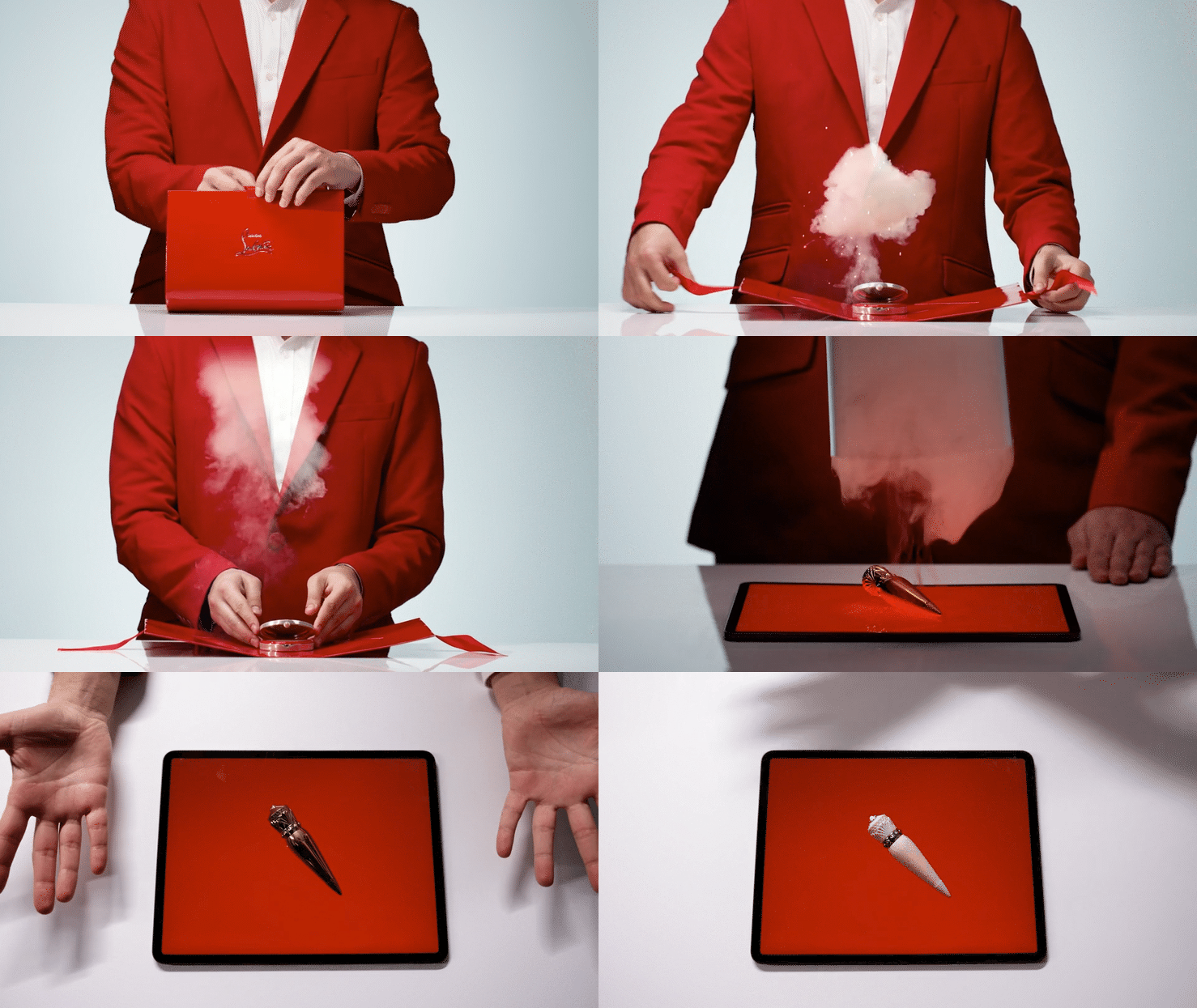

Magician for dental conference: smiles and wonder

Magician for dental conferences: smiles and wonder — in premium events, every detail counts. Here's how the best organizers approach this question and the formats that really work.
Magician for dental conference: smiles and wonder
The business seminar often suffers from an attention problem: after 4 hours of presentations, participants drop out. Magic, strategically inserted into the program, acts as a “cognitive reset” — a moment of surprise that recharges the energy and attention of the room.
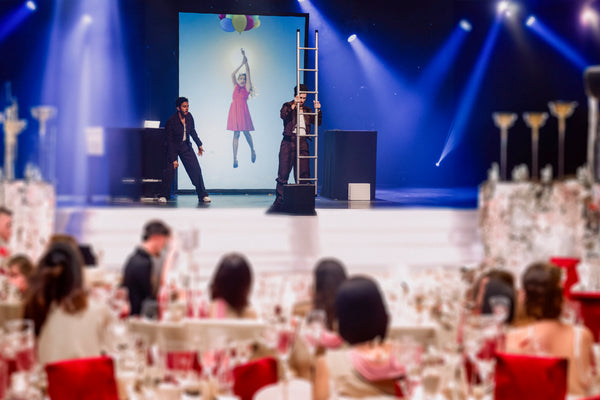
The most requested formats: a close-up during the coffee break (the magician circulates and creates micro-moments of surprise that restart conversations), or a 10-15 minute plenary interlude between two sessions. Some speakers even ask the magician to illustrate a key concept with a trick — innovation, transformation, change of perspective take on a concrete dimension when they are embodied by the illusion.
The Digital Illusionism: innovation in live performance
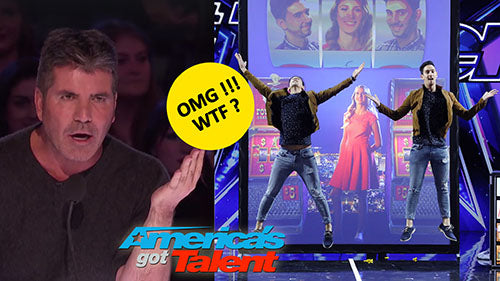
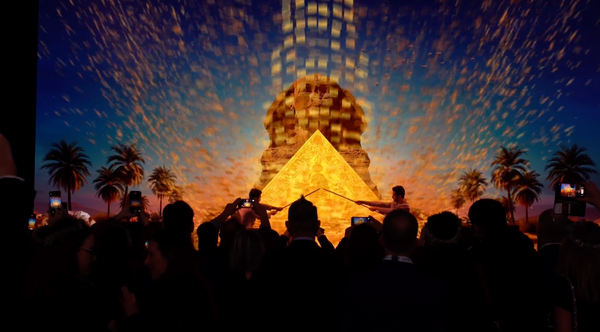
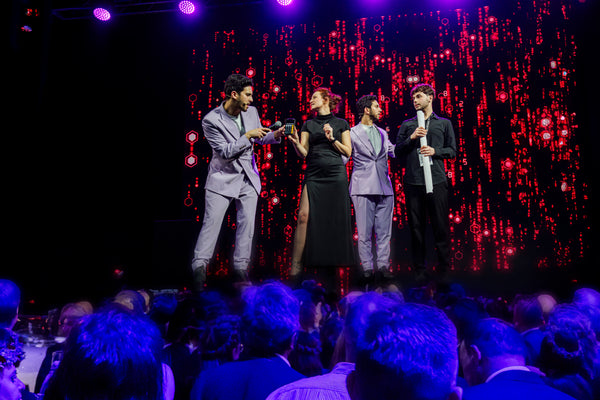
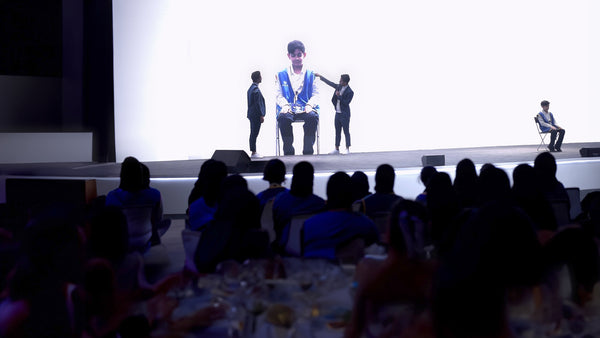
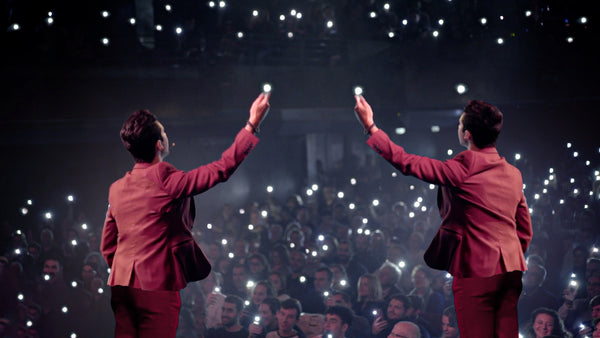
The digital show — or Digital Illusionism — is a show format that fuses classic magic and cutting-edge technologies: artificial intelligence, augmented reality, holograms, interactions with the audience's smartphones. The result: an experience that no other animation format can replicate.
Imagine a show where your phone becomes a magical object, where an AI dialogues with the magician in real time, where generative visuals are created before your eyes. The Digital Illusionism doesn't seek to impress with technology — it uses it to amplify emotion. The viewer only sees the magic, not the cables. It is this invisibility of tech that creates astonishment.
Tony and Jordan: the reference in event magic
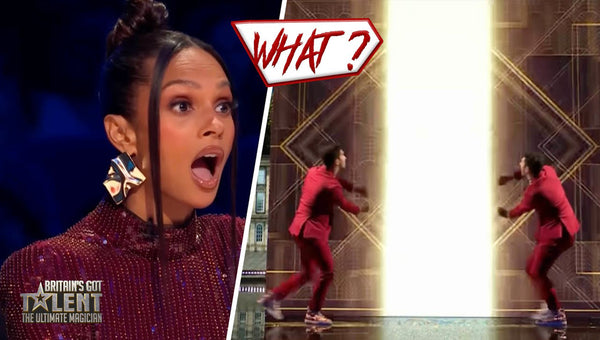
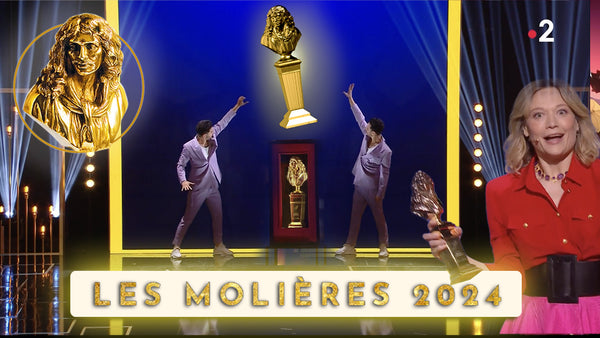
Tony and Jordan don't just perform — they turn every event into a moment that's talked about long after. Pioneers of Digital Illusionism, they have made the fusion of magic and technology their trademark. Understand the context, create to measure, exceed expectations.
Frequently asked questions
Should a technical installation be planned?
For the close-up: nothing at all. For the stage show: a basic sound system and lighting are sufficient. The magician brings all his specific equipment and coordinates with your manager.
Does the show work with all types of audiences?
Magic is universal: no language, culture or age barriers. A good magician adapts his approach to the profile of the audience — more sophisticated with a corporate audience, more interactive with a family audience.