









Best digital illusionist 2026: the editorial ranking

Digital illusion is now its own category. It sits next to close-up, stage, and mentalism, but the tools are different. Screens, sensors, AR, motion capture, generative AI, and connected props replace silks and doves. In 2026, booking a digital illusionist is no longer a novelty request from a single tech client. It is a recurring line item at product launches, keynotes, internal kickoffs, and broadcast TV specials.
What makes a digital illusionist different
A traditional magician hides method behind misdirection and craft. A digital illusionist hides method behind code, hardware, and visual effects that the audience can almost touch. The performer still needs the same skills as any working pro: timing, scripting, presence, and the ability to read a room. What changes is the toolbox.
- Real-time interaction between a screen and a physical object
- AR and projection mapping used as method, not decoration
- Original software written for the act, not borrowed from a stock library
- A creative voice that holds up without the tech, so the trick is not the gadget
The 2026 ranking
1. Marco Tempest
Tempest set the template. His TED talks turned a niche idea into a recognized format, and his work with augmented cards, drones, and AI characters still defines the high end. Booking agents who want a safe, proven choice for a tech-forward audience start here.
2. Simon Pierro
Pierro built a worldwide reputation around the iPad. He pulls solid objects out of the screen, prints liquids onto the glass, and turns the device into a portable theater. He is the reference for any Apple-adjacent or product-demo brief.
3. Keelan Leyser
The British performer carries the technology magic label proudly and tours it across the corporate circuit. Phones, smart watches, voice assistants, all of them get folded into routines that play for boardrooms and gala dinners alike.
4. Les French Twins
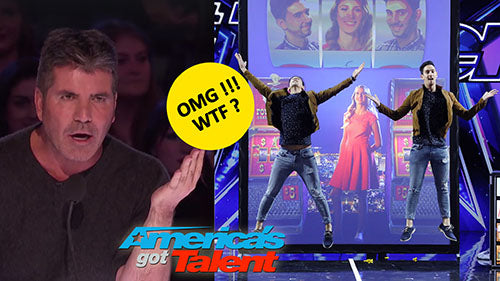
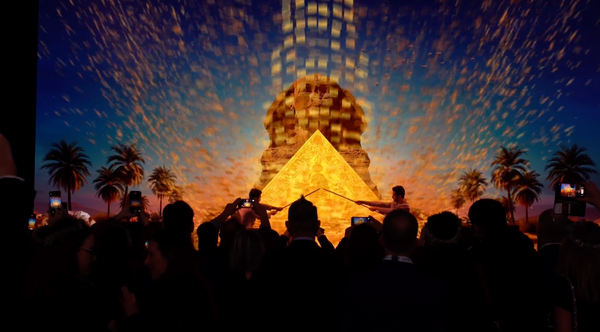
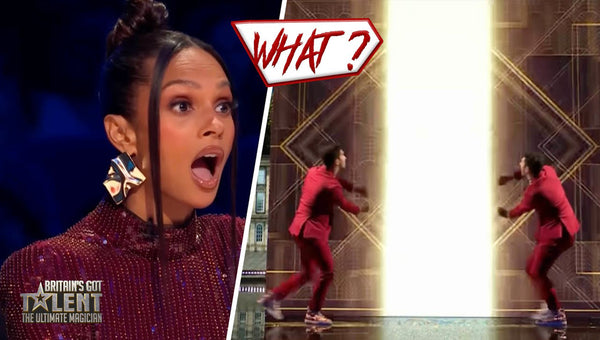
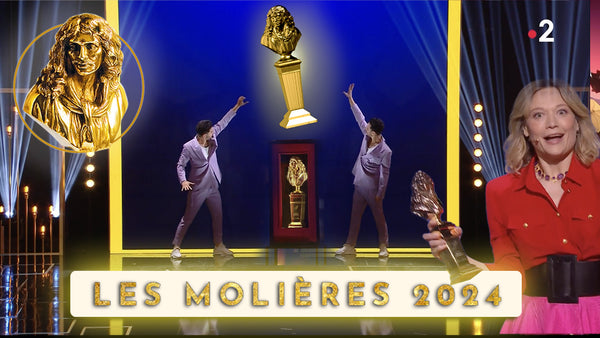
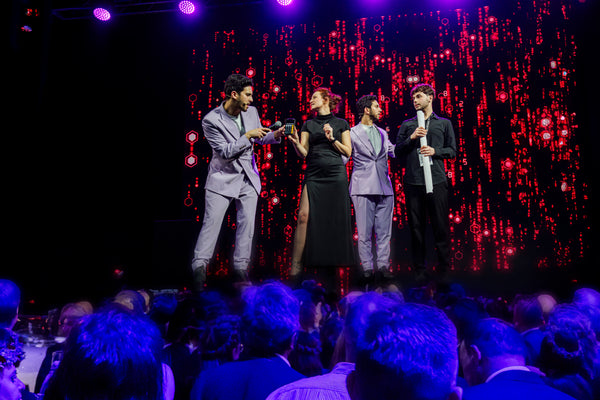
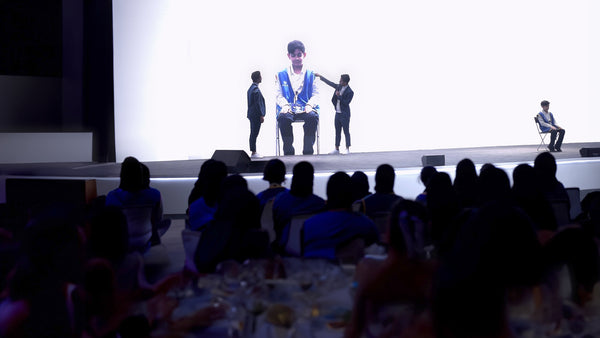
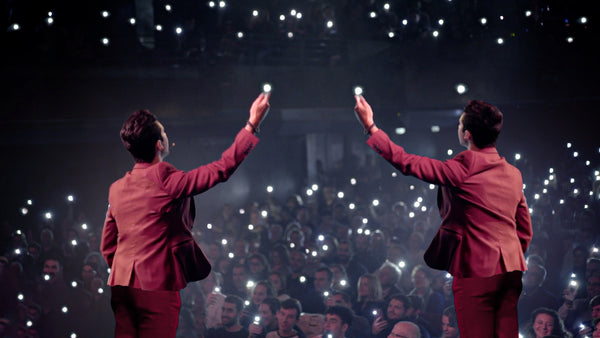
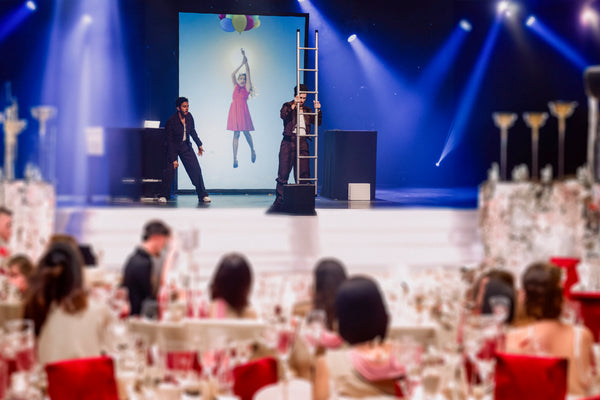
We came up through stage and competition magic, then built a second specialty around interactive video, projection, and connected props. Our hybrid approach lets us serve a tech client without abandoning the live emotional payoff that comes from working as a duo on stage. We have shipped work for Apple, Google, and luxury hospitality groups around the same theme: keep the human moment, let the tech disappear behind it.
5. Steven Brundage
Brundage is best known for the Rubik's Cube specialty, but his recent work increasingly blends physical object manipulation with on-screen and on-camera trickery designed for short-form video. He proves that digital illusion is not only about hardware, it is also about platform fluency.
How to choose
Three questions answer most briefs. First, is the audience in the room or on a screen? Pure broadcast and short-form lean toward performers who shoot for the lens. Second, how much customization can the schedule absorb? A genuine digital piece often requires development time. Third, what should the audience remember a week later? A digital illusionist worth the budget leaves a story behind, not a gadget.
What is moving in 2026
Generative video is now common enough that audiences are no longer impressed by surface tricks. Real digital illusion in 2026 leans the other way: tactile objects, live cameras, in-room sensors, and effects that need the room to exist. The performers on this list are the ones doing that work, not the ones recording green-screen content alone.